
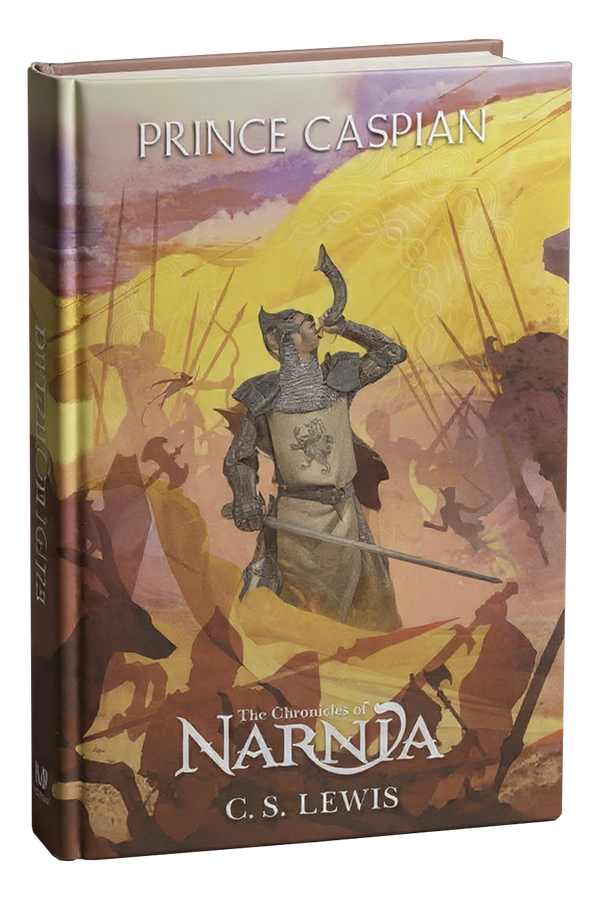
Short Review
Prince Caspian is a darker, more melancholic entry that deals with the loss of heritage and the corruption of history. The narrative structure is somewhat experimental, spending significant time filling in the "history" of the intervening centuries, which adds a layer of tragic realism to the fantasy world. The Pevensies’ return is bittersweet; they are no longer high kings and queens but legends come to life, forced to prove themselves again. The book struggles slightly with pacing compared to its predecessor but excels in its depiction of a disenchanted world rediscovering its magic. It works as a bridge between the whimsical origins and the more mature quests to follow.
About the Author
C.S. Lewis (1898–1963) was a British writer and lay theologian. A close friend of J.R.R. Tolkien, he was a fellow of Oxford and Cambridge universities, renowned for his works on Christian apologetics and medieval literature.
Integrative Paths
Comments
Join the conversation. Please log in to post a comment.