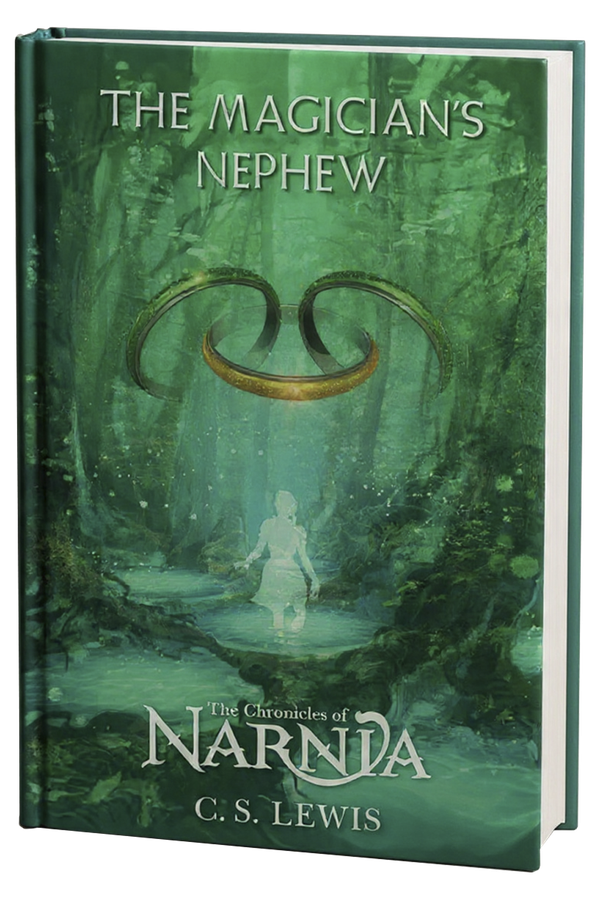
The Magician’s Nephew
Functions as the creation myth of the saga, establishing the origin of Narnia, the introduction of evil via Jadis, and the history of Professor Kirke.
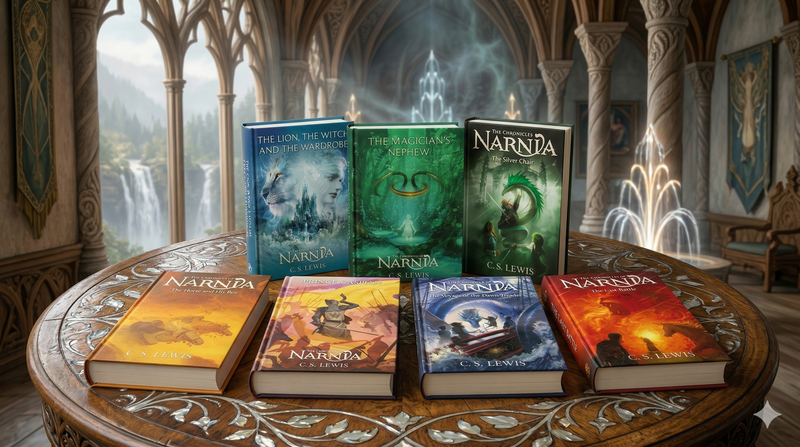
"C.S. Lewis’s The Chronicles of Narnia is a landmark in fantasy literature, seamlessly blending high adventure with profound theological allegory. Unlike the dense, historical weight of Middle-earth, Narnia offers a more whimsical, immediate portal into the fantastic - often quite literally through a wardrobe or a painting. The saga spans the entire life of a world, from its sung creation to its final days, anchored by the majestic and terrifying figure of Aslan, the Great Lion. While often categorized as children’s literature due to its direct prose and talking animals, the series tackles mature themes of faith, redemption, sin, and the nature of reality. It invites readers into a universe where magic is concrete, but morality is absolute. The stories range from high-seas voyages to underground rescues and epic battles, yet always return to the spiritual growth of the children who find themselves kings and queens. The result is a timeless classic that offers wonder for the young and deep philosophical resonance for the adult reader."

Functions as the creation myth of the saga, establishing the origin of Narnia, the introduction of evil via Jadis, and the history of Professor Kirke.
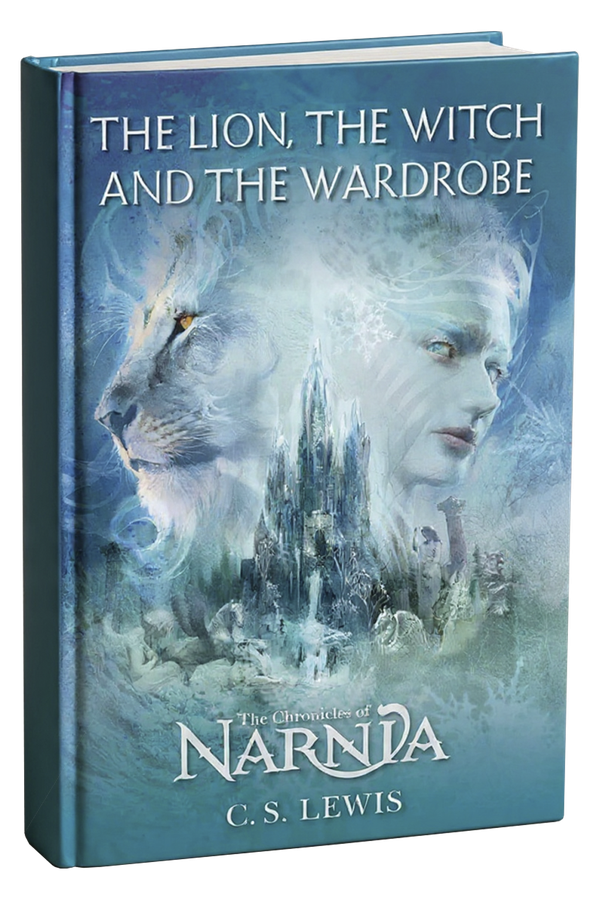
The central narrative that introduces the Pevensie siblings and establishes the primary conflict between Aslan and the White Witch, initiating the Golden Age of Narnia.
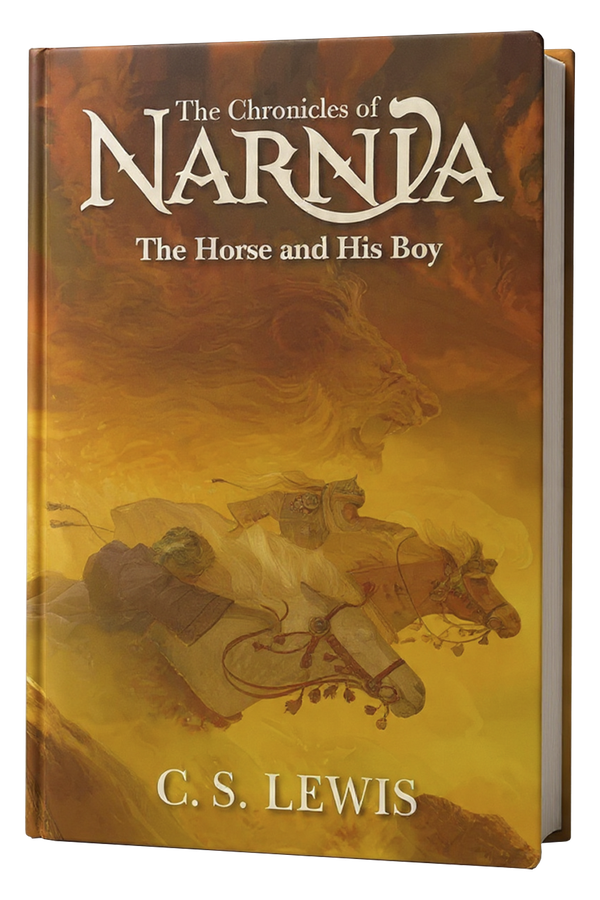
A standalone adventure set during the Golden Age, expanding the world-building to neighboring empires and reinforcing the reach of Aslan’s protection.
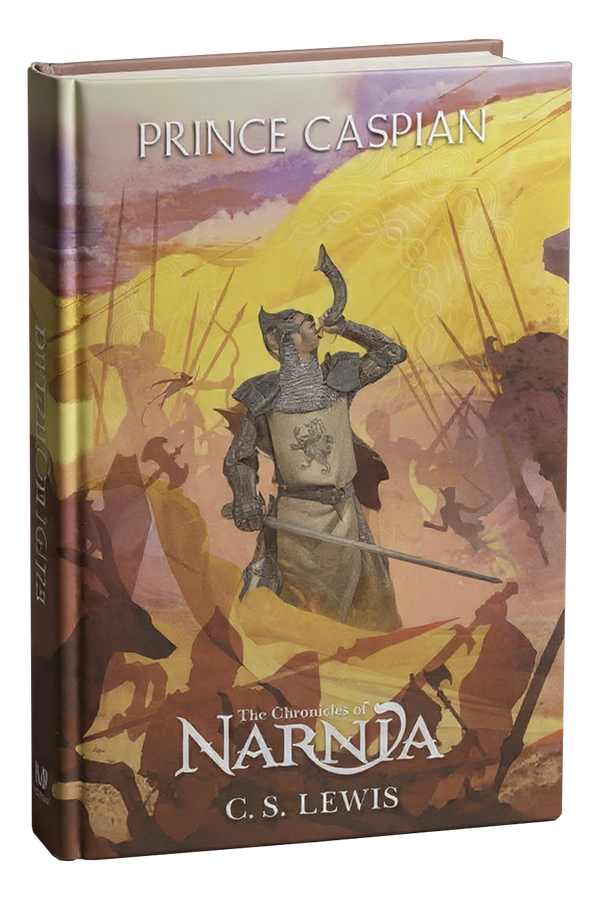
Functions as a "return" narrative that re-establishes the Pevensies in a changed world, transitioning leadership to Caspian and marking the end of the Pevensies’ rule.
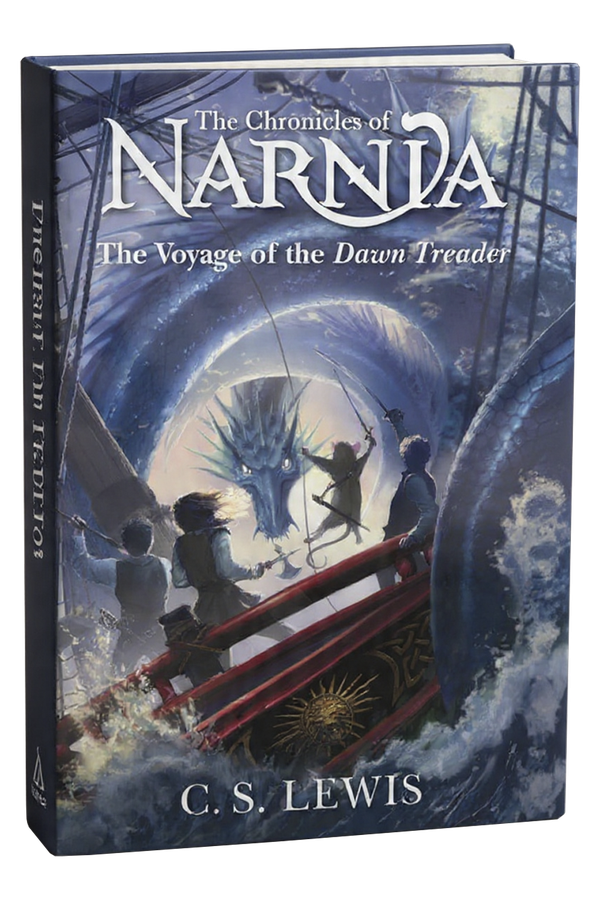
A spiritual odyssey that expands the geography of the world to its absolute limits and concludes the Narnian journeys of Edmund and Lucy.
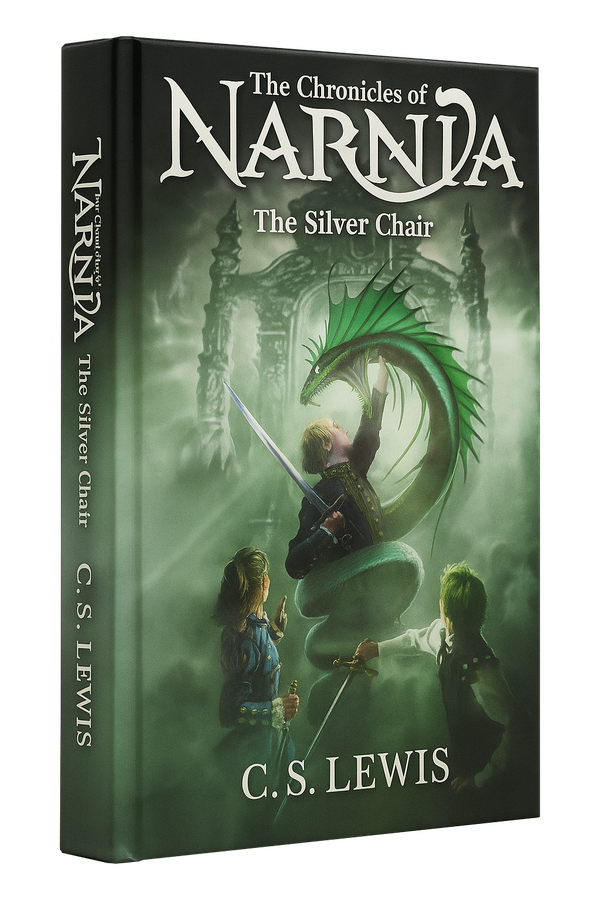
A direct sequel involving the next generation of visitors (Eustace and Jill), setting the stage for the final age of Narnia.
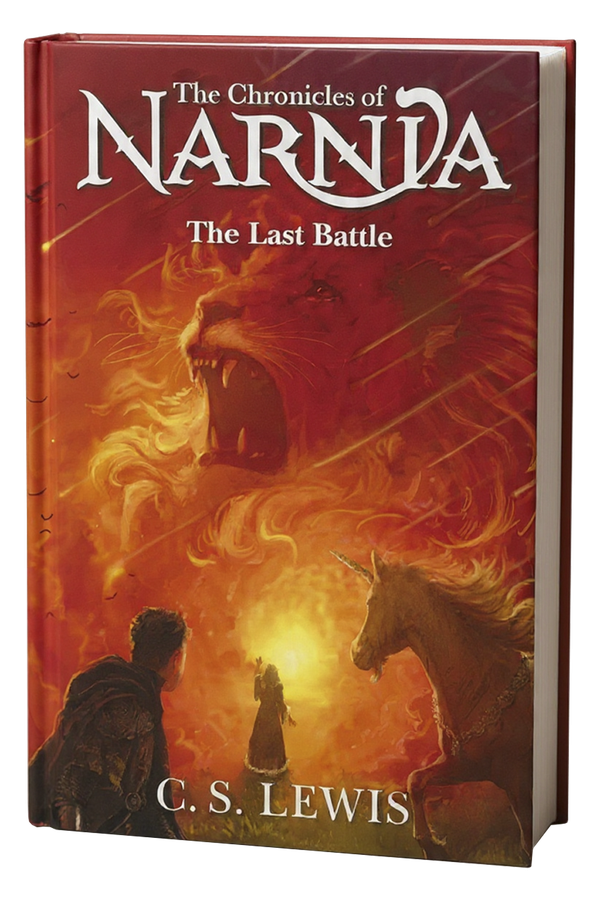
The final chapter that depicts the destruction of the Narnian world, the final judgment of its inhabitants, and the transition to the eternal afterlife.
Join the conversation. Please log in to post a comment.