
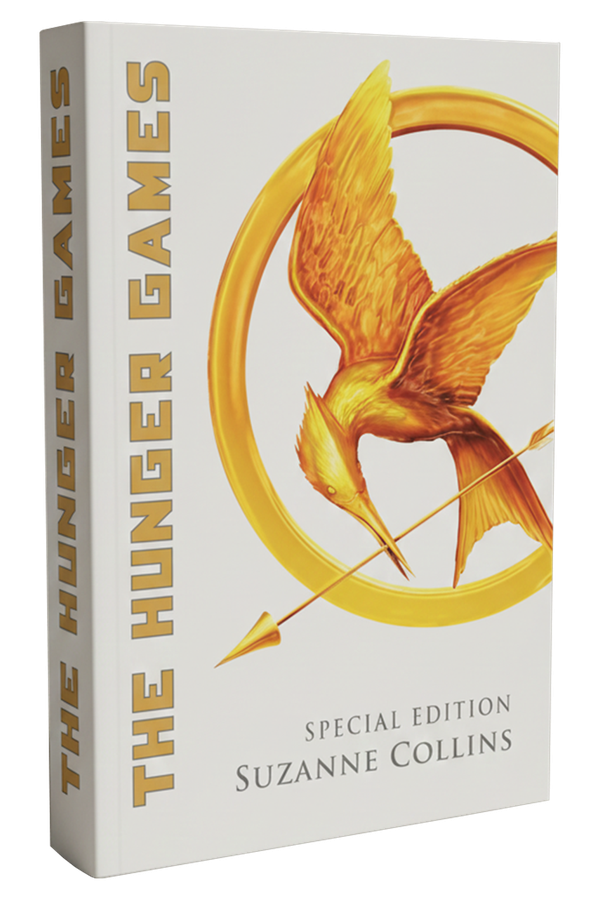
Short Review
The Hunger Games is a masterclass in tension and pacing. Collins utilizes the first-person present tense to create a claustrophobic sense of immediacy; the reader knows only what Katniss knows, feeling her hunger and fear in real-time. The brilliance of the novel lies not just in the "battle royale" concept, but in the social commentary woven into the action. The contrast between the starving districts and the grotesque excess of the Capitol is visceral. Katniss stands out as a protagonist because she is not trying to save the world; she is trying to survive it. Her fake romance with Peeta Mellark adds a layer of media satire, highlighting how narratives are constructed for consumption. The result is a gripping, harrowing start that hooks the reader instantly.
About the Author
Suzanne Collins (b. 1962) is an American television writer and author. She began her career writing for children's television before transitioning to novels. Her father was an Air Force officer, and his service strongly shaped her exploration of war and its effects.
Integrative Paths

Comments
Join the conversation. Please log in to post a comment.