
Short Review
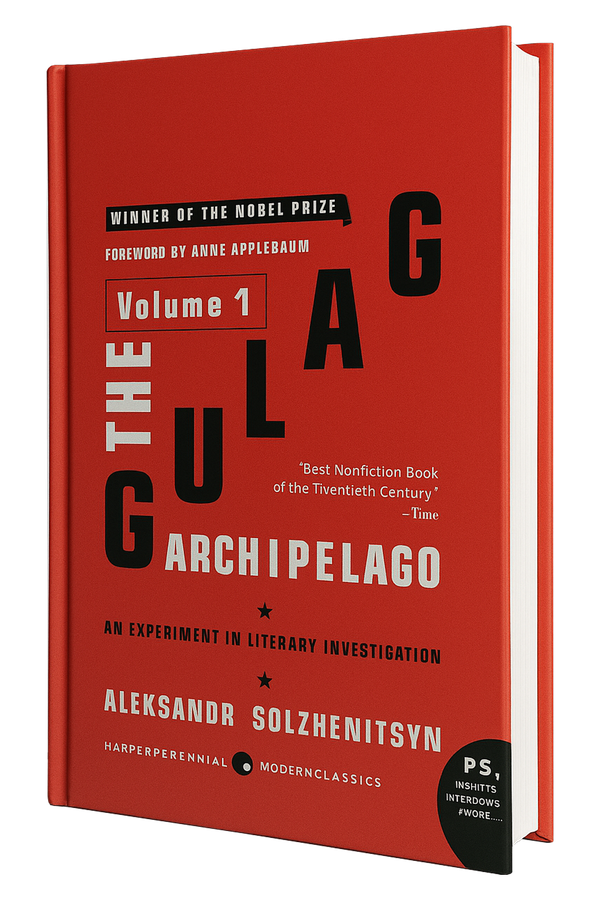
Arguably one of the most important books of the 20th century. Solzhenitsyn’s writing is burning with righteous anger, yet meticulous in its detail. It is not just a history book; it is a moral reckoning. The mix of historical analysis, memoir, and philosophy creates a devastating portrait of human cruelty and resilience. It dismantled the intellectual credibility of Soviet communism in the West. Reading it is a heavy, harrowing experience, but an key one for understanding the value of freedom and truth.
About the Author
Aleksandr Solzhenitsyn (1918–2008) was a Russian novelist and historian. He spent eight years in Soviet labor camps and was awarded the Nobel Prize in Literature in 1970 for his ethical force in pursuing the indispensable traditions of Russian literature.
Comments
Join the conversation. Please log in to post a comment.