
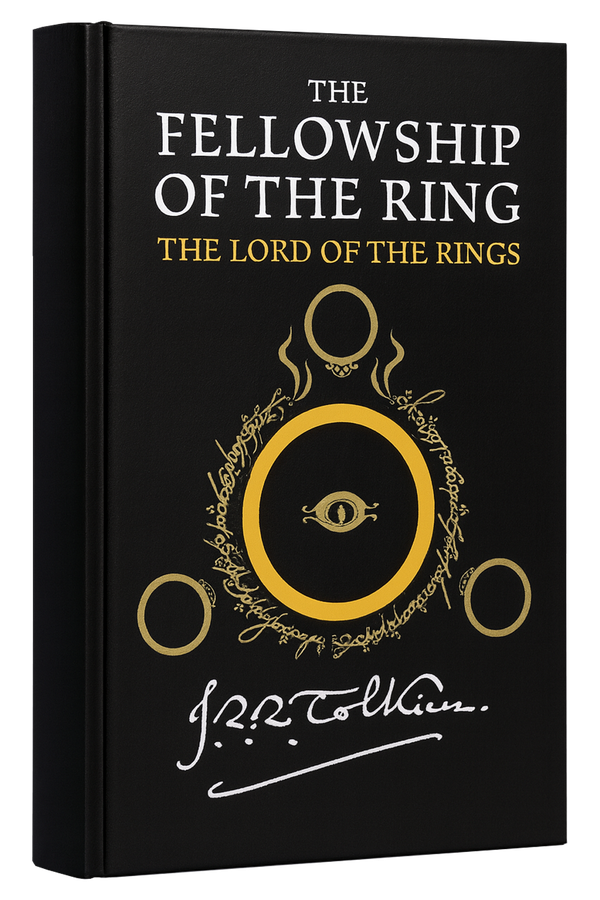
Short Review
The Fellowship of the Ring marks a distinctive tonal shift from its predecessor, abandoning the episodic whimsy for a somber, epic grandeur. Tolkien takes his time - the pacing is famously deliberate - using the slow journey to layer history and atmosphere onto every landscape. The brilliance of this volume lies in the group dynamic of the Fellowship; it explores the racial tensions and alliances of Middle-earth through the interactions of characters like Legolas and Gimli. The narrative dread is palpable, particularly in the Mines of Moria, where the scope of ancient history clashes with immediate survival horror. The result is a landmark in world-building, setting the board for the War of the Ring with remarkable attention to detail and linguistic texture.
About the Author
J.R.R. Tolkien (1892–1973) was an English writer, poet, philologist, and university professor at Oxford. He is often described as the "father of modern fantasy literature." His academic background in Old English and mythology strongly shaped his fictional worlds.
Integrative Paths
Comments
Join the conversation. Please log in to post a comment.