
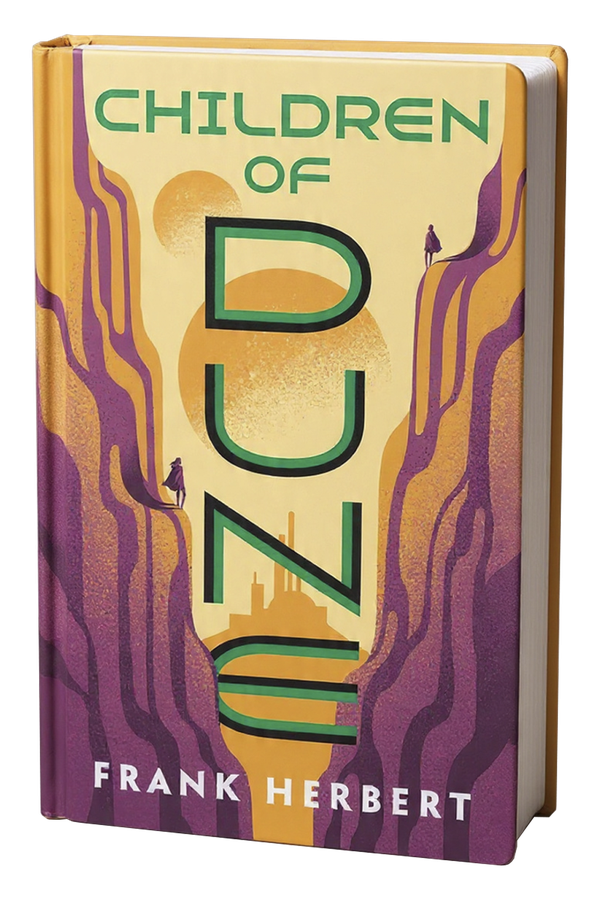
Short Review
Children of Dune returns to the epic scope and adventure of the first novel but retains the philosophical complexity of the second. The narrative is a complex web of dynastic maneuvering, featuring the return of terrifying figures like the "Abomination" Alia Atreides. Herbert brilliantly expands on the lore of the spice and the sandworms, linking them directly to the fate of the empire. The central conflict revolves around the concept of possession and ancestral memory, pushing the sci-fi elements into almost metaphysical territory. It works as the bridge between the old empire of men and the bizarre, post-human future that is to come, centered on the terrifying transformation of Leto II.
About the Author
Frank Herbert (1920–1986) was an American science fiction author. His background in journalism and ecology heavily influenced his writing. Dune is the world's best-selling science fiction novel and won both the Hugo and Nebula awards.
Integrative Paths
Comments
Join the conversation. Please log in to post a comment.